
TGIF
Paranormal Activity, Squid Games V Equity and more

As I compose this week’s newsletter, the future shape of theatre in Britain is in some doubt. Preoccupied with weightier matters I had no space to examine a strange new type of show currently invading the West End. I mean the Very Basic Show Based On A Basic Movie.
This week, I received an email: PARANORMAL ACTIVITY EXTENDS WEST END RUN. To be honest, I had no idea it was even a thing: “A new story inspired by the worldwide horror phenomenon.”
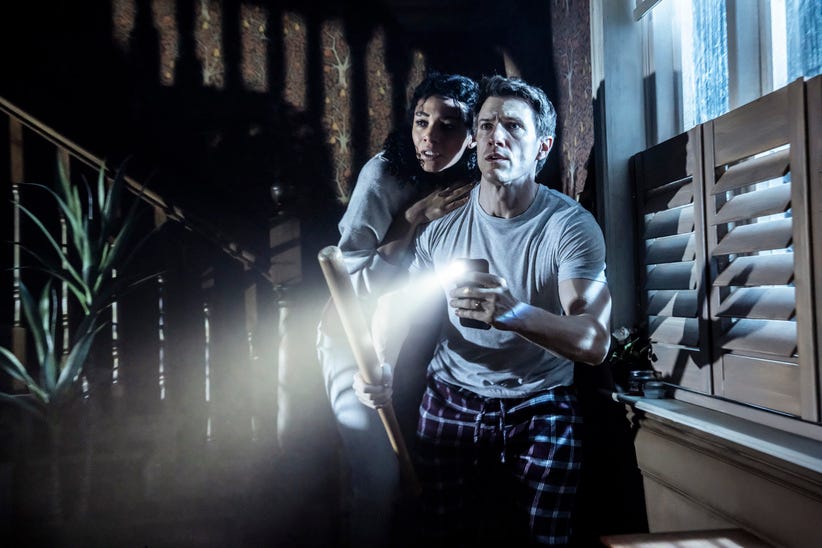
Why does this exist? Paranormal Activity premiered at Leeds Playhouse in the summer of 2024 (it has been given a new ending) and a production is touring the US. Audiences, apparently, are lapping it up.
Still, the idea of turning a scary film franchise into a stage play had never occurred to me in quite this form, yet it illuminated something I had been sensing, dimly but persistently, in my recent experiences of theatre-going.
Most London theatre is tripe now, and most London theatre was tripe then. It would be easy to conclude that audiences now attend a show without caring whether it makes any sense, so long as there is something to look at, or a celebrity is involved.
Increasingly, people emerge unable to say what they have seen, or even whether they liked it. This marks a real shift. There was a time when audiences possessed an almost rational passion for narrative clarity. They might have preferred bad shows to good ones, the West End’s long-running commercial successes make that plain, but even the most banal entertainments were rarely incoherent. A play had to tell some kind of story that held together. A plot had to plot.
This erosion of expectation has not, notably, kept people away. Theatre audiences returned in greater numbers than expected after the pandemic, according to the British Theatre Consortium, with attendance in 2023 exceeding forecasts despite fewer productions overall. The recovery has been driven largely by spectacles, revivals, and brand-recognisable titles. Those millions of people out there are individual and alive.
That older contract between audience and form has weakened. After the technological invasion and the steady dumbing down of theatre, thanks in no small part to directors like Jamie Lloyd, audiences can no longer be relied upon to respond to conventional structures. Whatever the causes, and they surely have something to do with modern life and its manufactured urgency, attention itself now appears to be the scarce commodity. People want something “different.” They are too restless, or too apathetic, to attend to motivation, complication, and cause and effect. They want less effort and more sensation.
Even so, this series of unfortunate events is not confined to casual audiences looking for an evening’s distraction. Processes of structural disintegration are at work across contemporary culture as a whole. While it is true that many inherited forms were exhausted and needed ditching, it remains unsettling to see what has replaced them. Almost every defender of work like this insists that however you interpret it, you are right. There is little to recommend this theory, except that it is undeniably democratic.
In theatre, as in other art forms, whether one values technique or rejects it altogether, the result is often the same. If you have nothing to express, it looks remarkably like believing you have so much to express that you do not know how to say it. The refusal of structure is not freedom. It is more often a disguise for emptiness.
Theatre, one feels, is going to the dogs. It is disintegrating. What now passes under the name of theatre is not work raised to the level of art, but work diminished. These are shows that merely look “artistic.” Gesture replaces meaning. Atmosphere substitutes for thought. Pundits pronounce. Dross trash regularly becomes substituted for myth. I have my own opinions about what needs to be done.
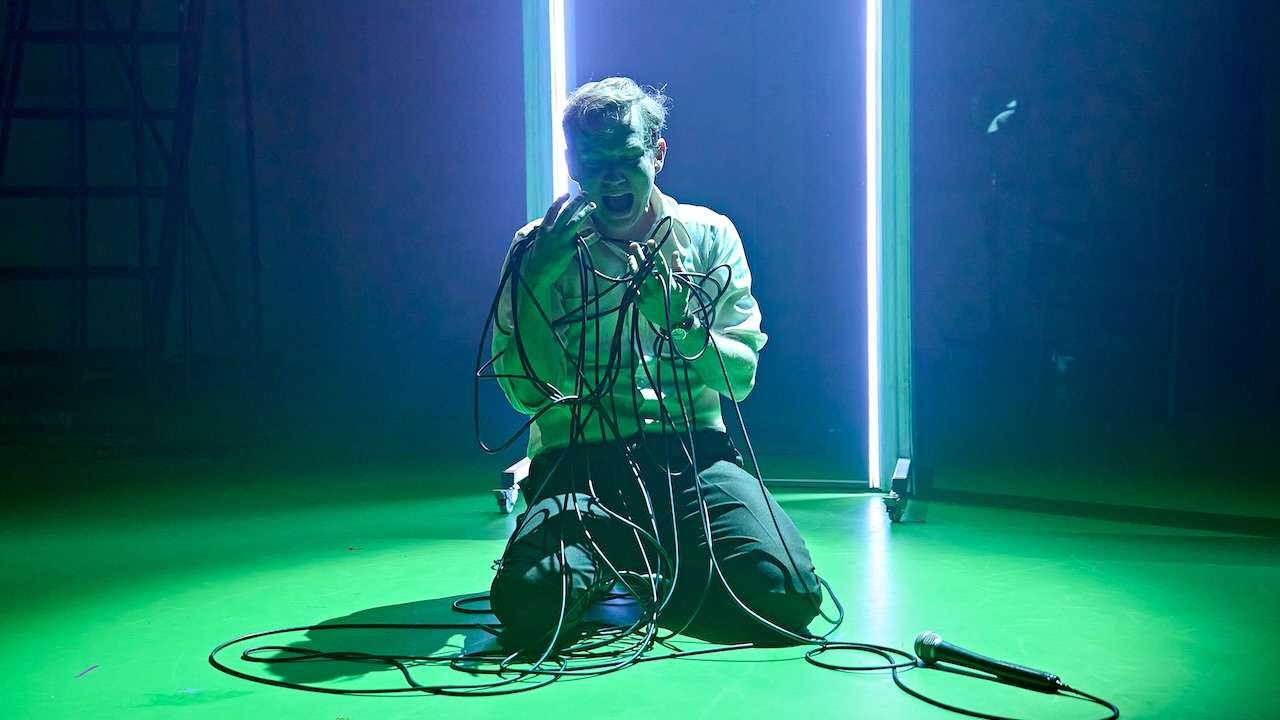
Meanwhile, a career in the arts, I suspect, is becoming so rarified, so private in its meanings, and so indifferent to audience engagement that in a few years the industry will be desperately and hopelessly trying to revive itself with and for the same type of people - with the same type of class background and private education. People go to the theatre to see something of their own experience clarified, or else as a means of briefly postponing the pressures they feel. When neither is offered, there is little reason to go at all.
I will continue to work on the long task of forgiving myself for having been born blessed, and for a consuming melancholy that I never earned. One way or another, when the high matters have been discussed and settled, I hope that theatre in this country continues to be an enchanted window—one through which everything from the skewed glare of Kate Fleetwood’s Witch in the Bridge Theatre’s Into the Woods to the herculean stagecraft on display in brilliant Kenrex at The Other Palace currently can be glimpsed, and in which I still find hope.
NEWS
Immersive theatre and workers’ rights
The rapid growth of immersive entertainment has opened up new audiences and revenue streams, but the sector is now facing increased scrutiny over working conditions. The first WTF news story of 2026 is Equity has raised serious concerns about employment practices on Squid Game: The Experience, following reports from performers and stage management involved in the production. (Sigh)In a statement, the union said it believes workers may have been denied basic employment rights, including paid annual leave, pension enrolment and written statements of employment particulars. Equity said these concerns relate to the legal employment status of performers and stage management, which determines their entitlement to such protections.
The union has also questioned the producer’s health and safety and safeguarding practices, and has urged anyone who worked on the now-closed production to contact Equity so it can investigate further.
Training returns to Bristol Old Vic Theatre School
In more encouraging news, Bristol Old Vic Theatre School has announced a return to undergraduate training, just a year after withdrawing from undergraduate provision due to funding pressures. The move has been described as a “bold step back,” signalling renewed confidence in the school’s ability to support early-career talent. At a time when access to training is narrowing and student debt remains a barrier, this decision is significant. It suggests not only institutional resilience, but also a recognition that the long-term health of the sector depends on sustained investment in education, not just postgraduate or elite pathways.Commercial recovery and the talent pipeline
Financially, parts of the industry are finally regaining their footing. Sir Cameron Mackintosh Ltd has reported turnover of £234 million across its shows, venues and licensing, surpassing pre-pandemic levels for the first time. Yet, alongside these figures comes a clear warning from The Night Manager producer: streamers and major players must actively support theatre’s talent pipeline. The message is blunt but timely. Theatre continues to train actors, directors, designers and writers who go on to power film and television success. Without meaningful reinvestment, that pipeline risks drying up, undermining the very ecosystem on which screen industries rely.Celebrating Stephen Sondheim’s legacy
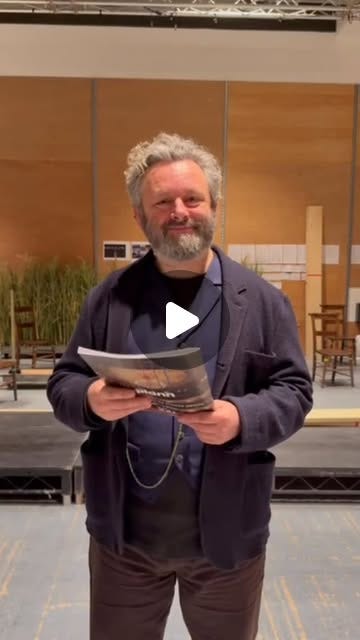
Looking ahead to 2026, a new 12-part podcast promises a deep dive into the life and work of one of theatre’s greatest figures. Loving You: The Untold Sondheim launches on 5 March 2026, hosted by Martin Milnes and Peter E Jones. Drawing on personal recollections from Sondheim’s friends, family and collaborators, the series offers a timely reminder of the power of musical theatre to shape culture, careers and communities. In an industry grappling with change, Sondheim’s legacy stands as a benchmark for artistic integrity and emotional truth.Michael Sheen is Number 1 in the Stage 100
.
I'm a random bloke on the internet and have no experience of theatre other than as part of the audience. I _DO_ have an idea for a play, but it would mean the audience needs to understand the idea. But if theatres are no longer able to survive without "spectacle" of some sort ... it feels like it is spoon feeding to those with glazed over eyes saying "next" via their remote controls.
I hope they survive. I hope that they find a way to start from their grassroots and grow. Some music festivals are doing this.
It does feel that "art", in its many forms, has moved from having patrons to only having profit.
It does feel very sad.
But, all the same, I'd like to know how to express my "idea".