
Critics Under Siege
National critics challenge the Lyceum over its decision to bar them from reviewing new musical One Day in Edinburgh

MODERN arts journalism and criticism has pushed my own natural pessimism to depths even I didn’t think it could go.
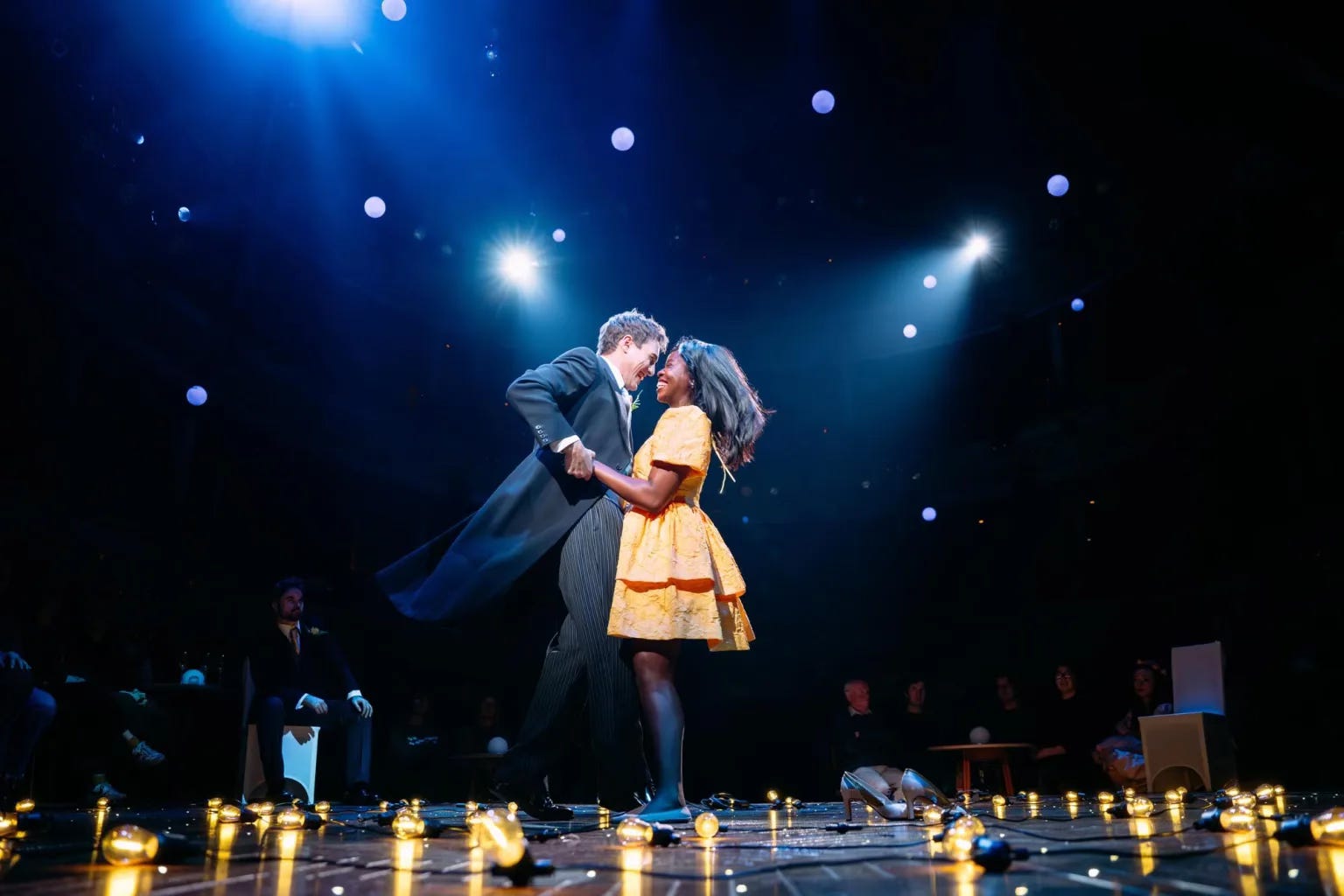
Last weekend, you may be aware, fifteen theatre critics wrote a frothingly cordial letter to the Royal Lyceum in Edinburgh to protest what they called a “divisive move”: the exclusion of critics writing for non-Scottish publications from the press night of One Day: The Musical, the stage adaptation of David Nicholls’ novel, co-produced by the Lyceum and the independent company Melting Pot.
A separate press night for national critics — read: London critics — is planned for when the show transfers to the West End… dear dear. It’s a fitting illustration for the mess criticism finds itself in today.
Anyway. The signatories, who included both critics who were invited and those who weren’t, made the obvious and correct point with admirable restraint. A two-tier invitation, they wrote, “suggests not only that critics in Scotland are less important than critics in London, but also that audiences in Edinburgh are less important than audiences in London.” Edinburgh theatregoers, they noted, are paying up to £55 a ticket for what the producers apparently consider a glorified preview.
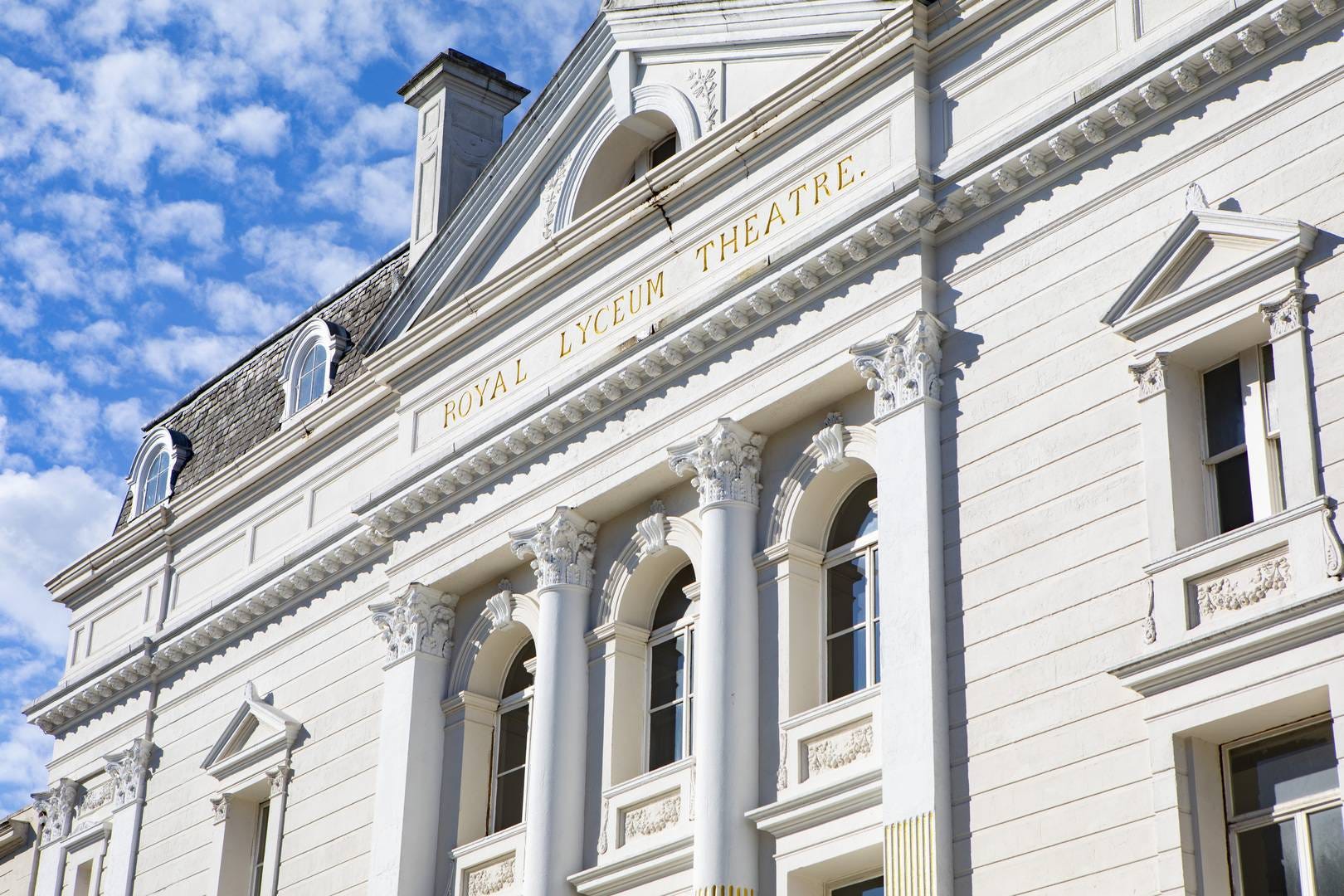
It was even greater amusement to me to learn that The Lyceum’s response was a masterpiece of institutional throat-clearing. The theatre expressed appreciation for its “Scotland-based critics” and acknowledged the concerns, then pivoted immediately to the commercial logic: Melting Pot needs “to create a buzz in the UK press at the launch of the London run.” Co-productions, it added, are “a key way forward.” The implication being: the big London money demands it.
Before we move on to the detail of the various missive wars currently raging, Scotland has national critics. Not regional critics, not provincial minions of the metropolitan press, but writers who cover theatre as critics of a nation — a nation with its own distinct cultural identity, its own subsidised institutions, its own relationship between art and public life. Critically, it’s lose-lose for the audience.
Every time embargo terms are accepted without question, every time preview access is treated as a privilege rather than a professional right, the logic that produced the Lyceum decision is quietly ratified.
Let’s be precise about what has happened here. A theatre that exists on public subsidy — funded to make theatre in Scotland, for Scotland — has allowed its commercial partner to dictate the terms of critical access in a way that treats Edinburgh as a try-out town and Scottish critics as small fry warm-ups. The logic is borrowed wholesale from the West End, where press access has long functioned as a form of hospitality management: extended to the compliant, withdrawn from the agitators.
Still, on with the show, and a now-overdue recap of the disagreements in question. Melting Pot’s fist-gnawingly bonkers explanation to the Guardian — that they are “building a new piece of event theatre” and that “it takes time” — deserves particular attention for its audacity. It takes time. To allow critics to do their jobs. At a publicly subsidised opening night. One begins to understand why pessimism has such a comfortable home in this industry.

And I speak from experience when I say the West End perfected this logic years ago. What is new — and worth naming clearly — is its migration into the subsidised sector, which was supposed to be different. The justification for public money in theatre has always rested partly on theatre’s accountability to its audience, of which critical scrutiny is an instrument.
